
Seismic Support Systems for Large Duct Installations in Hydropower Plants
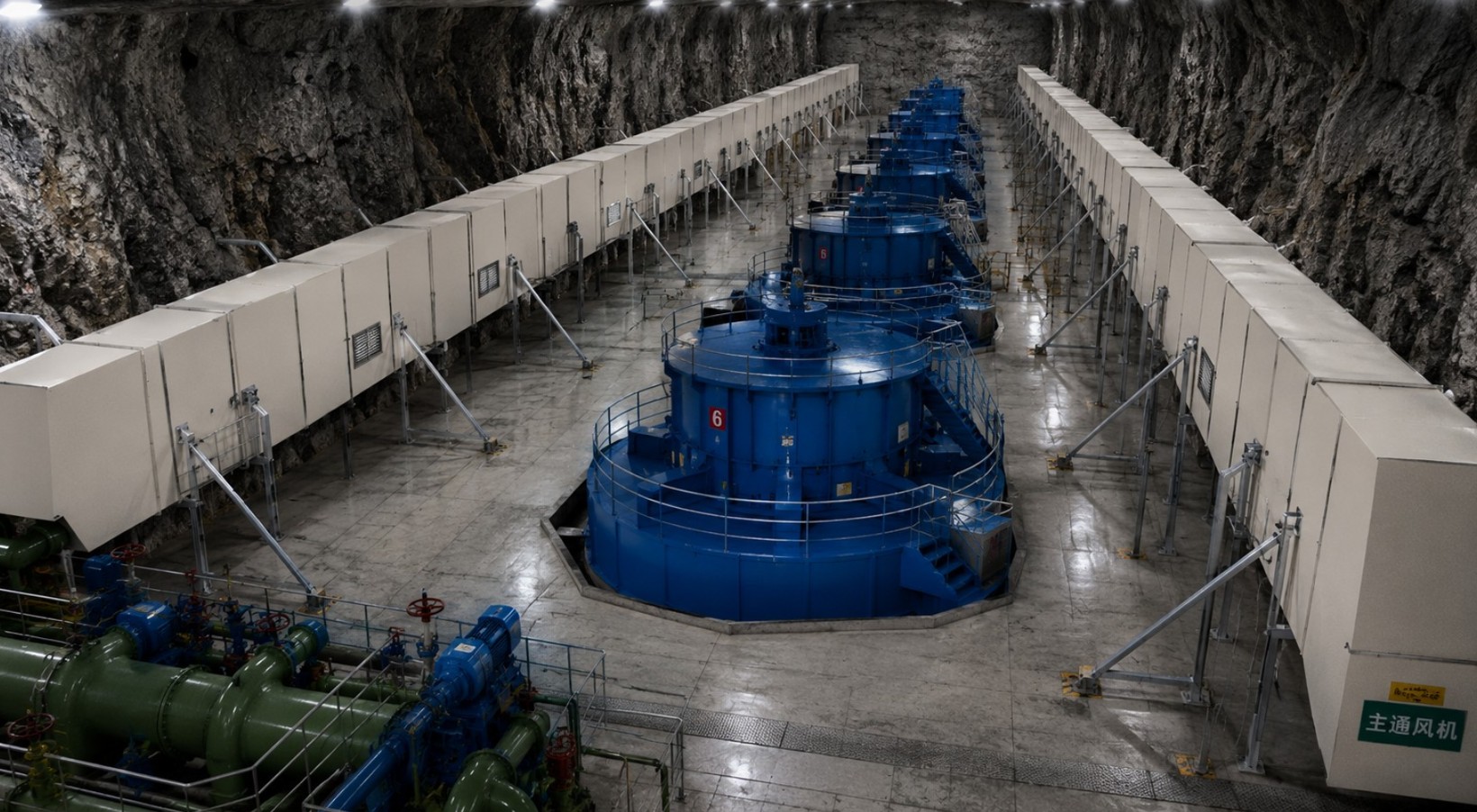
Seismic Support Systems for Large Duct Installations in Hydropower Plants Introduction
Hydropower plants are critical infrastructure facilities that require highly reliable mechanical and ventilation systems. Large duct networks are commonly used for cooling systems, ventilation systems, turbine halls, control rooms, and equipment galleries. During seismic events, improperly supported ductwork can experience excessive movement, structural damage, or complete failure.
Installing engineered seismic support systems for large duct installations is essential to ensure operational safety, equipment protection, and compliance with international building codes.
Challenges of Large Duct Systems in Hydropower Facilities
Large duct systems used in hydropower plants often present unique engineering challenges:
Significant duct dimensions and weight Long horizontal duct runs High air flow requirements Elevated installation heights Exposure to vibration from turbines and generators Potential seismic activity depending on project location
Without adequate seismic restraints, large ducts may sway, twist, or detach during earthquakes, resulting in costly downtime and safety hazards.
Why Seismic Bracing Is Necessary
Seismic support systems are designed to resist lateral and longitudinal forces generated during seismic activity. Properly engineered seismic restraints help:
Prevent duct displacement Protect connected equipment Reduce structural damage Maintain emergency ventilation capability Improve personnel safety Meet local and international seismic regulations
For critical infrastructure such as hydropower plants, seismic protection is often a mandatory engineering requirement.
Typical Seismic Support Components
A complete seismic duct support system may include:
Seismic Braces
Rigid diagonal braces transfer seismic loads from the ductwork to the building structure.
Strut Channels
Heavy-duty galvanized or stainless steel strut channels provide a strong support framework.
Beam Clamps
Beam clamps allow secure attachment to structural steel members without welding.
Duct Clamps
Specialized clamps securely connect the seismic support system to rectangular or round duct sections.
Anchor Assemblies
Concrete anchors and expansion bolts provide reliable load transfer into structural elements.
Engineering Considerations
Several factors must be evaluated during the design phase:
Duct Dimensions
Larger ducts generate higher seismic loads and require stronger restraint systems.
Support Spacing
Proper support spacing minimizes stress concentrations and prevents excessive deflection.
Building Seismic Zone
The project's seismic classification directly influences brace design and load calculations.
Corrosion Protection
Hydropower environments often contain moisture and condensation. Hot-dip galvanized or stainless-steel components are commonly recommended.
Maintenance Accessibility
Support systems should allow safe inspection and maintenance throughout the facility's service life.
Benefits of Seismic Support Systems
Hydropower operators benefit from:
Improved Operational Reliability
Critical ventilation systems remain functional following seismic events.
Reduced Maintenance Costs
Proper restraints reduce fatigue and vibration-related damage.
Enhanced Safety
Personnel and equipment receive greater protection during earthquakes.
Regulatory Compliance
Systems can be designed to satisfy ASCE 7, IBC, NFPA, and other applicable standards.
Long Service Life
High-quality support components provide decades of reliable performance.
Typical Applications in Hydropower Plants
Seismic duct support systems are commonly used in:
Turbine Hall Ventilation Ducts Generator Cooling Air Ducts Transformer Room Ventilation Systems Cable Tunnel Ventilation Systems Auxiliary Building HVAC Systems Emergency Smoke Extraction Ducts
Each application requires careful engineering evaluation to ensure proper load distribution and seismic performance.
Conclusion
Large duct systems are vital components of modern hydropower facilities. Properly designed seismic support systems significantly improve structural stability, operational reliability, and personnel safety. By incorporating seismic bracing, beam clamps, strut channels, and engineered anchoring solutions, hydropower operators can ensure their ventilation infrastructure remains secure and functional even under severe seismic conditions.
For high-performance seismic support solutions for hydropower duct systems, consult experienced manufacturers capable of providing engineered support systems tailored to your project requirements. Hydropower Plant Large Duct System Industrial Ventilation Duct in Power Station Seismic Bracing for HVAC Duct Hydroelectric Power Plant Mechanical Room Large Rectangular Duct Support System Seismic Support Installed on Industrial Ductwork